Source Luxury Waterproof Safari Tent for Camping, Parties, and Beach Use
Explore 30 luxury waterproof safari tent options featuring durable steel or aluminum frames and waterproof PVC or PVDF fabrics. Buyers can compare single and double skin structures, customized sizes, and interior finishes for traditional, party, or camping applications.
Key considerations
Products List


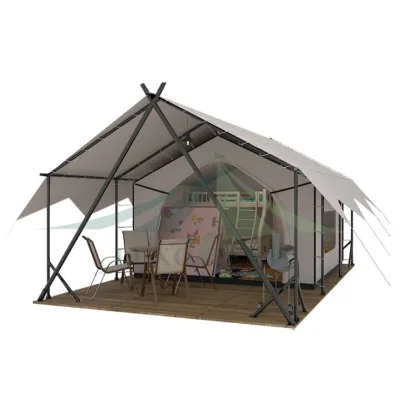
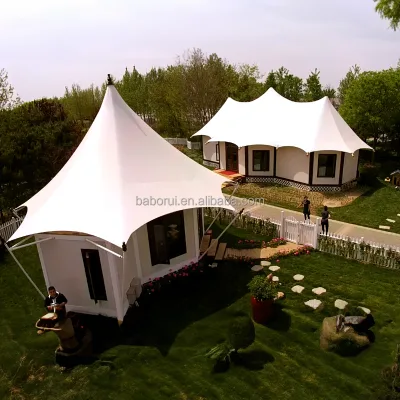
Comprehensive Sourcing Guide
Luxury Waterproof Safari Tent Sourcing Guide
The luxury waterproof safari tent market offers a distinct category of temporary accommodation that blends high-end interior comfort with rugged outdoor durability. Based on observed product listings, these structures are engineered for diverse environments ranging from traditional camping and beach events to advertising displays and relief operations. The core value proposition lies in the integration of weather-resistant materials with aesthetic designs that mimic permanent hotel structures, allowing operators to deploy high-capacity lodging in remote or temporary locations without sacrificing guest experience.
Procurement decisions for these units require a clear understanding of the specific structural configurations available, as the market presents variations from single-skin PVC models to complex double-skin bilayer systems. Buyers must distinguish between standard utility tents and luxury variants that feature hard-pressed extruded aluminum alloy frames and specialized fabric coatings like PVDF or double-coated PVC. This distinction is critical because the choice of frame material and fabric weight directly dictates the tent's lifespan, wind resistance, and suitability for long-term occupancy in varying climatic conditions.
Product Scope and Observed Listing Signals
The observed product range includes specific models such as the Jupiter Safari Tent, Luxury Hotel Tent, and various bilayer configurations, each tailored to different operational needs. Listings indicate a wide spectrum of customization options, with capacities ranging from two-person setups to fully customized dimensions, and interior options spanning from basic layouts to luxury family interiors. The presence of features like verandas, specific fabric weights (e.g., 1050g/sqm outer cover), and distinct structural styles like slope crests or ship designs signals a market that prioritizes both functional versatility and visual appeal.
Buyers should note that while many products share common attributes like waterproofing and UV resistance, the specific material composition varies significantly between models. For instance, some units utilize galvanized steel poles and single-skin structures, whereas luxury variants employ aluminum alloy frames and double-skin constructions with high-performance canvas or Oxford fabrics. This variance means that a single product listing cannot be assumed to satisfy all requirements; instead, procurement teams must verify the specific model number, such as TB11-Luxury hotel tent or TB21-luxury safari tent, to ensure the material and structural specifications align with the intended project scope.
Technical Specifications to Verify
Structural integrity is the primary technical consideration, with observed listings highlighting frame materials ranging from galvanized steel to hard-pressed extruded aluminum alloy. The choice between these materials impacts the overall stability and aesthetic profile of the tent, with aluminum alloy often associated with higher-end luxury models that require a sleeker, more durable profile. Buyers must verify the specific frame construction, as the listed advantages emphasize stability and durability for periods ranging from five to ten years, depending on the model and maintenance protocols.
Fabric performance and dimensional accuracy are equally critical, with specifications including 100% waterproof ratings, flame retardation, and UV resistance as standard features for many units. The inner and outer cover materials vary, with some luxury models specifying 1050g/sqm PVDF coated polyester for the outer shell and 850g/sqm PVC double-coated fabric for the interior, while others utilize high-performance canvas or 370 g/m2 Oxford fabric. Additionally, wind load ratings observed in the data suggest a capacity of 80-100km/h, but buyers must confirm these figures against the specific model's engineering data to ensure safety in high-wind environments.
Compliance and Safety Documentation
Safety compliance for luxury safari tents involves verifying that the materials meet local fire safety and environmental standards, particularly given the use of PVC and polyester fabrics. While some background data mentions certifications like CE and RoHS, these should not be assumed as universal guarantees without explicit documentation from the supplier for the specific batch or model. Procurement teams must request test reports confirming flame retardation properties and chemical safety, as these are essential for insurance compliance and guest safety in commercial hospitality or relief operations.
Documentation regarding the structural load and wind resistance must be provided by the manufacturer to validate the claimed performance metrics. The observed data indicates wind load capacities, but these are not standardized across all listings and must be verified through engineering certificates or third-party test results. Buyers should ensure that the supplier provides clear evidence of the tent's ability to withstand the specific environmental conditions of the deployment site, including wind speeds and precipitation levels, to mitigate liability and ensure operational continuity.
Cost Drivers and Commercial Terms
The cost of luxury waterproof safari tents is driven primarily by the complexity of the frame material, the weight and coating of the fabric, and the level of interior customization. Models featuring extruded aluminum alloy frames and double-skin constructions with high-weight fabrics command higher price points compared to single-skin PVC units with galvanized steel poles. The observed price range of 25 to 8200 USD reflects this disparity, with the lower end likely representing basic utility tents and the higher end corresponding to fully equipped luxury units with advanced interior options and specialized finishes.
Commercial terms such as Minimum Order Quantity (MOQ) and customization lead times are significant factors in the procurement process, with observed MOQs ranging from 1 to 150 units. Buyers must negotiate these terms carefully, as the ability to customize dimensions, colors, and interior layouts often requires longer lead times and higher per-unit costs. The gross weight and packaging dimensions, such as the observed 50kg weight and 505050 packaging size for certain models, also influence logistics costs and must be factored into the total landed cost calculation.
Supplier Qualification and Quality Control
Supplier qualification should focus on the manufacturer's ability to deliver consistent quality across different material specifications and structural designs. Given the observed origin of products in Guangdong, China, buyers should verify the supplier's production capacity and quality control processes to ensure that the transition from single-skin to double-skin models does not compromise structural integrity or fabric consistency. The presence of specific model numbers and detailed material descriptions suggests a mature manufacturing base, but buyers must still validate the supplier's track record for delivering units that meet the claimed lifespan and durability standards.
Quality control checks must include a rigorous inspection of the frame connectors, fabric coatings, and stitching quality before shipment. The use of powder-coated steel connectors and high-performance fabrics requires precise manufacturing tolerances to prevent premature failure or water ingress. Buyers should implement a pre-shipment inspection protocol that verifies the gross weight, packaging dimensions, and the presence of all advertised features, such as verandas and specific interior options, to ensure the delivered product matches the technical specifications agreed upon in the purchase order.
Long-Term Procurement Checks
Long-term procurement success depends on verifying the actual lifespan of the tent under real-world conditions, as observed data suggests life spans ranging from 5 to 10 years depending on the model and maintenance. Buyers should establish a maintenance schedule that aligns with the manufacturer's recommendations for the specific fabric and frame materials used, ensuring that the UV resistance and waterproofing properties are preserved over time. Regular inspections of the frame joints and fabric seams are essential to extend the operational life of the tent and protect the investment in luxury accommodation.
Future procurement strategies should include a review of the supplier's ability to provide replacement parts and ongoing technical support for the specific models deployed. As the market evolves, the availability of customized sizes and interior options may change, requiring buyers to maintain a flexible relationship with suppliers who can adapt to new design requirements. Establishing a clear communication channel for warranty claims and technical assistance ensures that any issues related to the tent's performance, such as wind load failures or fabric degradation, can be addressed promptly to minimize downtime.
FAQs
What materials are used in luxury waterproof safari tents?
Luxury waterproof safari tents typically use high-quality materials such as PVC, PVDF coated polyester, and double-coated fabrics. The frame is often constructed from galvanized steel or hard-pressed extruded aluminum alloy. These materials ensure the structure is durable, waterproof, and resistant to UV rays and flame, providing a stable and aesthetic shelter for various outdoor uses.
Can luxury safari tents be customized for specific needs?
Yes, customization is available for luxury safari tents. Buyers can choose from various interior options, including basic, luxury, or family interiors. The capacity can be customized, and sizes are often adjustable to fit specific site requirements. This flexibility allows for tailored solutions that meet distinct aesthetic and functional demands for hotels, parties, or camping sites.
How long do luxury safari tents typically last?
The lifespan of a luxury safari tent generally ranges from 8 to 10 years, depending on usage and maintenance. The durable construction, featuring weather-resistant materials and stable frames, contributes to this longevity. Proper care of the waterproof and UV-resistant fabric ensures the tent remains functional and aesthetically pleasing over its intended service life in outdoor environments.
What is the wind load capacity of these tents?
These tents are designed to withstand wind loads of approximately 80 to 100 km/h. The stable structure, often featuring steel frames and powder-coated connectors, ensures durability against strong winds. This wind resistance makes them suitable for various outdoor applications, including beach tents, advertising tents, and traditional camping setups, ensuring safety and stability in challenging weather conditions.
What are the common sizes for luxury safari tents?
Common sizes for luxury safari tents include dimensions like 4x6m, 5x7m, and 5x9m for sail tents, with indoor sizes such as 4x4m or 5x5m. Other models offer customized sizes to fit specific requirements. The inner dimensions can range from 16 square meters to 35 square meters, providing ample space for luxury interiors and comfortable occupancy.
Are luxury safari tents suitable for indoor use?
Yes, luxury safari tents can be suitable for indoor use, with specific models offering indoor sizes like 4x4m or 5x5m. Their elegant design and neutral color palette allow them to blend seamlessly into indoor environments. The durable construction and waterproof features also make them versatile for various settings, including hotels and event spaces, providing a unique and stylish shelter option.